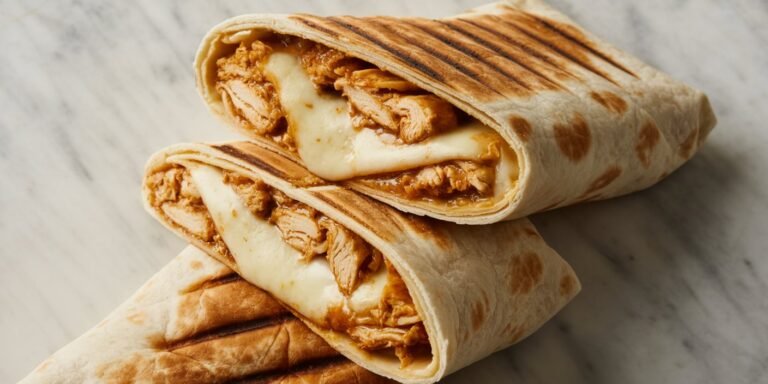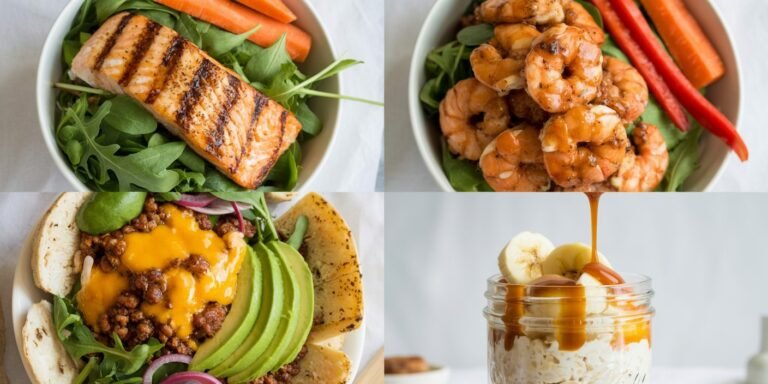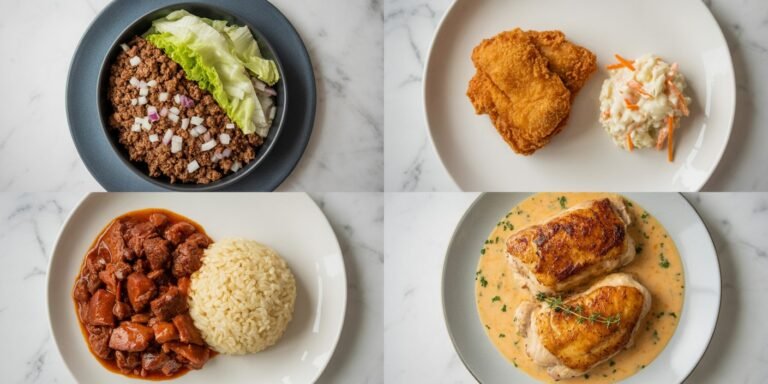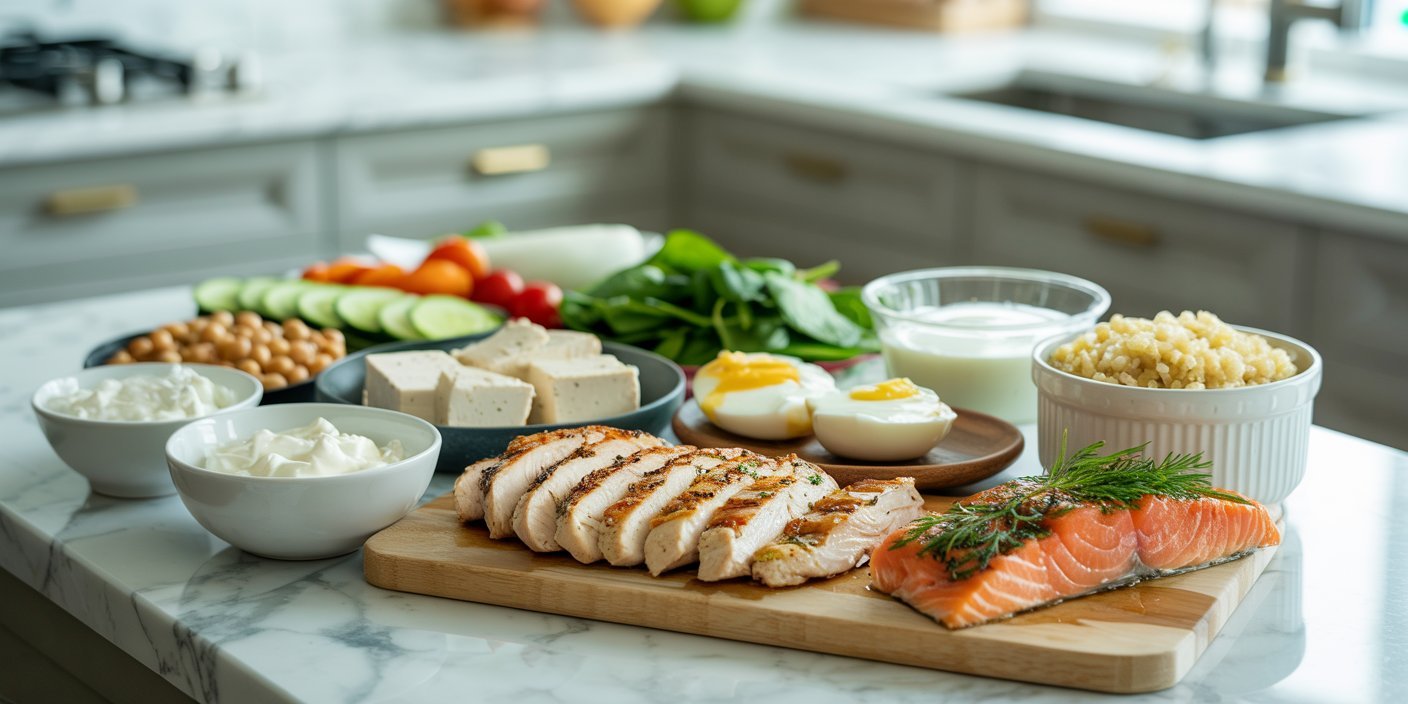

Losing weight becomes significantly easier when you understand the role protein plays in your body.
While many diets focus on restricting carbs or cutting calories to extreme levels, high-protein diets work differently — and far more effectively.
Protein is the only macronutrient that keeps you full for hours, stabilizes your
appetite, speeds up your metabolism naturally, and protects your lean muscle even while you’re burning fat.
When you increase your protein intake, everything about weight loss gets easier: cravings decrease, late-night eating slows
down, your energy becomes more stable, and your body composition improves without feeling starved or deprived.
This is why high-protein diets are one of the easiest, most sustainable fat-loss methods for beginners, busy individuals,
or anyone who has struggled to stick to traditional diet plans. Another major benefit is flexibility.
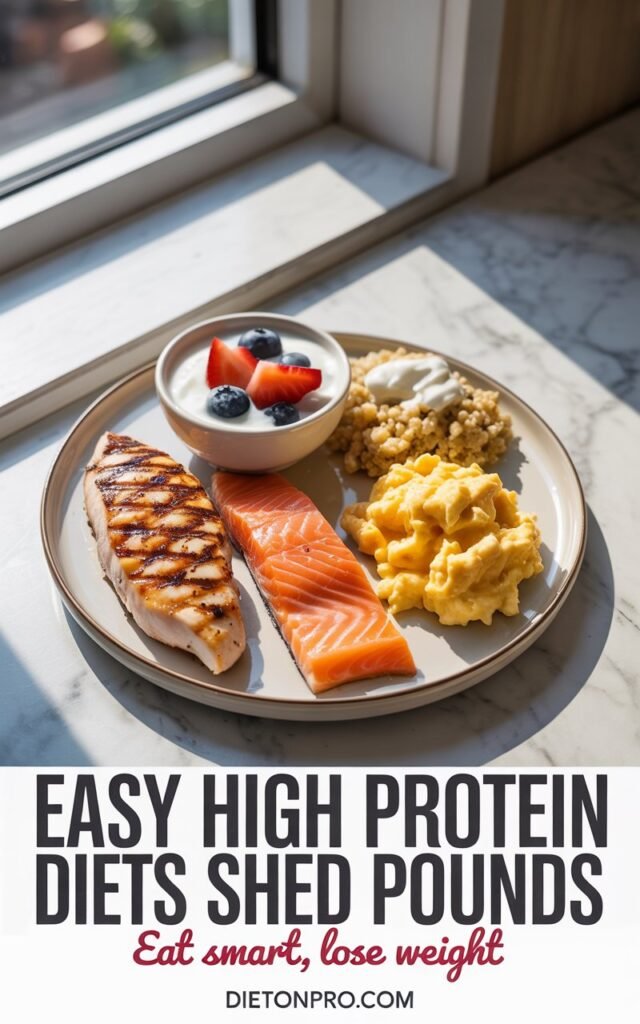
You don’t need to eliminate food groups, avoid your favorite meals, or follow complicated meal timing rules.
You simply build each meal around a strong protein source.
Whether you prefer chicken, seafood, plant-based options, or protein shakes, the structure is simple and easy to maintain long-term.
And because protein digests slowly, it naturally reduces your overall calorie
intake without you forcing yourself to eat less — the diet does the work for you.
Below is a clean and highly detailed guide to the easiest high-protein diet styles,
the foods that accelerate fat loss, and the habits that make the diet effortless to follow.
1. Why High-Protein Diets Make Weight Loss Easier

When I first shifted to a high-protein diet, I noticed results almost immediately — not just on the scale, but in how I felt day-to-day.
It wasn’t one of those restrictive plans that leave you starving by mid-morning or fighting cravings all evening.
Instead, increasing my protein intake made the whole process feel smoother and more natural.
Protein simply works differently inside the body.
It’s not just a nutrient; it’s a hunger regulator, a muscle protector, and a metabolism booster.
Most people don’t realize how powerful it is until they try it consistently.
How Protein Helps You Lose Weight
- It slows digestion so you stay full longer. No more grazing all day.
- It stabilizes blood sugar, meaning fewer cravings and less binge-eating.
- It increases calorie burn, because protein requires more energy to digest.
- It preserves lean muscle, which keeps your metabolism strong even in a calorie deficit.
Best Times to Eat Protein
For weight loss, spacing protein throughout the day works best:
Morning:
A high-protein breakfast reduces cravings 70–80% later in the day.
Midday:
Protein at lunch keeps energy steady and prevents the afternoon slump.
Evening:
A protein-rich dinner helps control late-night hunger and supports overnight muscle recovery.
How I Cook My Daily Protein
To keep things easy, I rotate simple methods:
- Grill or pan-sear chicken and fish
- Bake turkey meatballs or lean beef patties
- Scramble or boil eggs
- Air-fry salmon or shrimp
- Slow-cook shredded chicken for multiple meals
Every method is quick, flavorful, and low-calorie, making it easier to stay consistent.
2. Easy High-Protein Diet Styles Anyone Can Follow

One thing I love about high-protein diets is how customizable they are.
You can choose whichever structure fits your lifestyle.
You don’t need “rules” — just a consistent way to build meals.
Below are the easiest and most realistic high-protein diet styles people can follow without feeling overwhelmed.
High-Protein Balanced Diet
This style gives you flexibility:
lean protein + vegetables + healthy fats + small portions of carbs.
How to Cook These Meals
- Sheet-pan chicken with roasted vegetables
- Stir-fry beef and broccoli
- Salmon with rice and asparagus
- Turkey chili cooked in one pot
Best Times to Eat
Great for all-day structure, especially for people who want weight loss without strict restrictions.
Low-Carb, High-Protein Diet
You focus more on proteins and vegetables while keeping carbs lower but not eliminating them.
How to Cook These Meals
- Grilled chicken with sautéed spinach
- Garlic shrimp with cauliflower rice
- Beef stir-fry using lots of veggies
- Egg muffins baked for quick breakfasts
Best Times to Eat
Best for mornings and afternoons, when carb cravings tend to be strongest.
Mediterranean High-Protein Diet
Perfect for heart health and fat loss. Lots of seafood, lean meats, olive oil, and nutrient-dense foods.
How to Cook These Meals
- Lemon-garlic baked fish
- Olive oil tuna salad
- Chicken skewers with grilled peppers
- Lentil stew for plant-based protein
Best Times to Eat
Mediterranean-style dinners are especially effective because healthy fats help reduce nighttime cravings.
High-Protein Meal Replacement Diet
Ideal for busy people or beginners who need structure.
Typical Daily Layout
- Protein shake after waking up
- High-protein lunch
- Another shake as needed
- Balanced protein-focused dinner
How to Prepare Shakes Easily
Blend protein powder with:
- Greek yogurt
- Almond milk
- Berries
- Ice
Best Times to Eat
Shakes work best in the morning or afternoon for appetite control.
3. Top High-Protein Foods for Fast, Sustainable Fat Loss
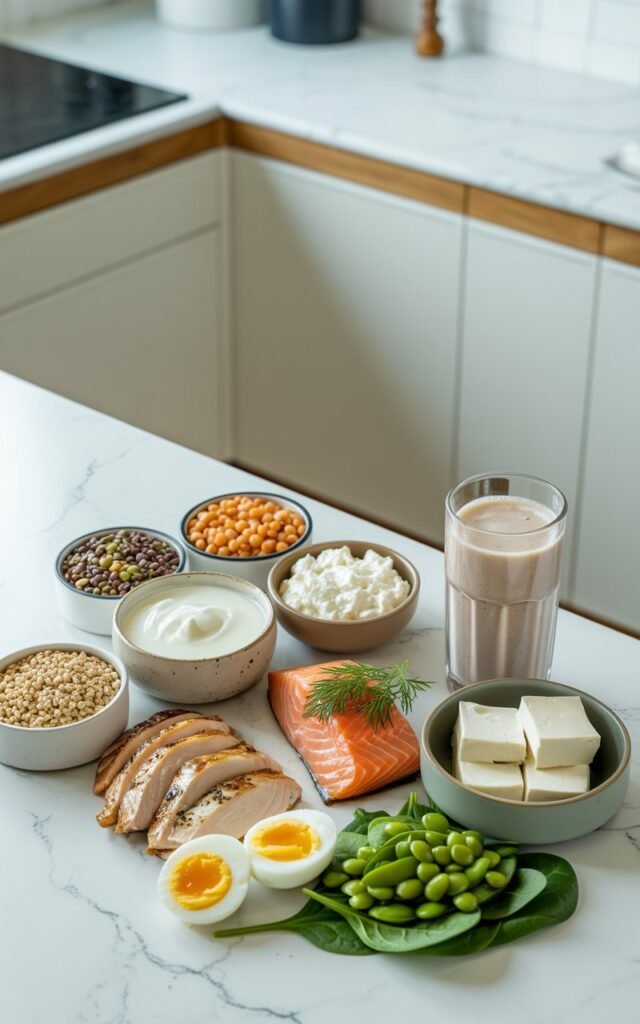
Building your diet around simple, high-protein foods makes weight loss feel automatic.
These are the foods I rely on the most because they are versatile, budget-friendly, and cook quickly.
Lean Proteins
These help keep calories low while giving your body enough protein to burn fat and build lean muscle.
Chicken Breast
How to Cook:
Season lightly with salt, pepper, garlic powder, and olive oil.
Bake at 400°F for 25–30 minutes or grill for 6–7 minutes per side.
Best Time to Eat:
Lunch or dinner for steady energy and fullness.
Turkey
How to Cook:
Make turkey mince into meatballs, patties, or mix it into a vegetable stir-fry.
Best Time to Eat:
Dinner — very filling and great for nighttime hunger.
Eggs
How to Cook:
Boil 8–10 at once for the week, scramble them with veggies, or make an omelet.
Best Time to Eat:
Breakfast — excellent for appetite control.
Greek Yogurt
How to Cook (Prep):
Top with berries, nuts, or honey; use as a smoothie base.
Best Time to Eat:
Morning or mid-afternoon snack to reduce sweet cravings.
Seafood
Seafood is naturally high in protein and low in calories.
Salmon
How to Cook:
Season with lemon, garlic, and olive oil. Bake for 12 minutes or air-fry for 10.
Best Time to Eat:
Dinner — omega-3s help control inflammation and bloating.
Shrimp
How to Cook:
Sauté in a nonstick pan with garlic and herbs for 4–5 minutes.
Best Time to Eat:
Lunch or dinner for low-calorie, high-protein meals.
Plant-Based Proteins
Great for anyone needing variety.
Lentils
How to Cook:
Boil for 20 minutes, season, and mix with veggies.
Best Time to Eat:
Lunch — satisfying and keeps energy stable.
Tofu
How to Cook:
Pan-sear with soy sauce and vegetables.
Best Time to Eat:
Dinner for a light but filling meal.
Convenient Options
Protein Shake
How to Prepare:
Blend protein powder with water or milk; add banana for extra calories if needed.
Best Time to Eat:
Morning, post-workout, or anytime you’re hungry but need something light.
Cottage Cheese / Yogurt Cups
How to Prepare:
Add cinnamon or fruit for flavor.
Best Time to Eat:
Nighttime snack — surprisingly filling and helps control cravings.
4. Beginner-Friendly High-Protein Meal Plan (Simple & Realistic)
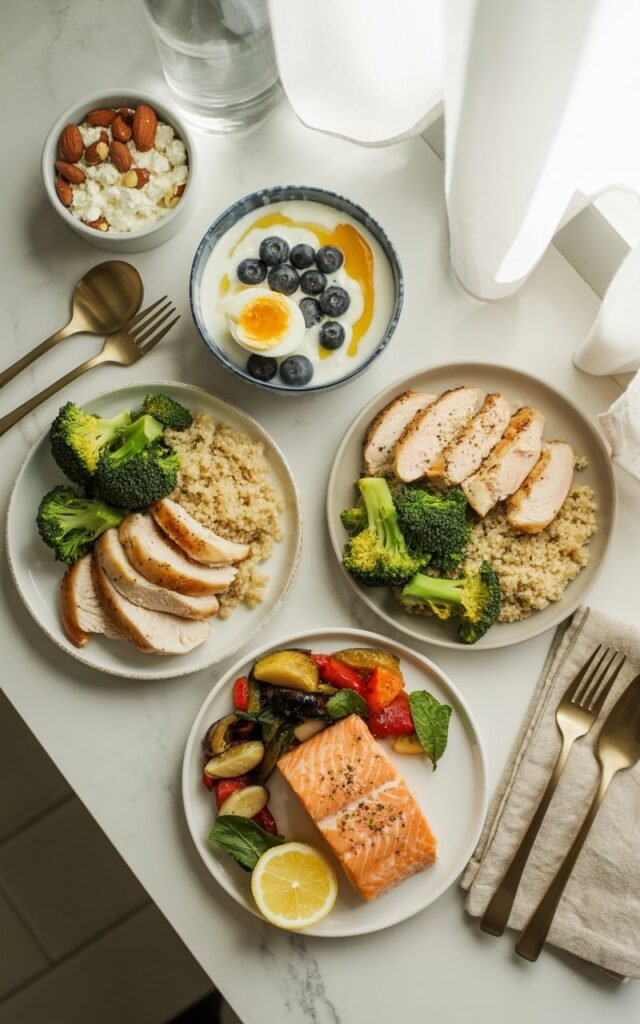
When I first started eating high-protein, I kept things extremely simple.
No complicated recipes, no strict rules — just meals built around a strong protein source with vegetables and small portions of carbs when needed.
This structure helped me stay consistent, and honestly, consistency is the secret behind the results.
Below is a clean, realistic sample plan that works for busy people and beginners.
Breakfast Options
High-Protein Omelet
Made with eggs or egg whites, spinach, onion, and a sprinkle of cheese.
Cooks in under 10 minutes and keeps you full for hours.
Why it works: A protein-heavy breakfast reduces cravings during the day.
Greek Yogurt & Berries Bowl
Add a handful of berries, chia seeds, or almond slices.
Why it works: Easy to prepare and great for people who need something light but filling.
Lunch Options
Chicken or Turkey Bowl
With veggies (spinach, broccoli, or mixed greens) and a small serving of rice or quinoa.
Why it works: Balanced, clean, and very filling — perfect for steady afternoon energy.
Tuna or Salmon Salad
Mixed with cucumbers, olive oil, lemon, and pepper.
Why it works: Healthy fats keep you full longer, while the protein supports fat burning.
Dinner Options
Grilled Salmon with Vegetables
A very simple meal that takes less than 20 minutes to make.
Why it works: Salmon’s protein + omega-3s help reduce inflammation and bloating.
Turkey Meatballs with Roasted Veggies
Bake everything at once on a sheet pan.
Why it works: High-protein dinners help prevent late-night snacking.
Best Times to Eat Your Meals
- Breakfast: within 1–2 hours of waking
- Lunch: 4–5 hours after breakfast
- Dinner: 3–4 hours after lunch
- Snacks: only when hungry, not out of habit
This timing supports appetite control and prevents overeating.
5. Tips That Make High-Protein Diets Easier to Stick To

High-protein diets work — but only if the approach feels doable.
These are the practical habits that helped me stay on track without stress or burnout.
Prep Simple Proteins Ahead
Cooking large batches of chicken, turkey, beef, or eggs saves you on busy days.
When protein is already prepared, you naturally make healthier choices.
Increase Protein Gradually
If you’re not used to high amounts, increase slowly.
Start by adding:
- an extra egg at breakfast
- a scoop of protein powder
- a bit more chicken or fish at lunch
Small changes add up.
Use Seasonings and Herbs
Protein tastes better when it’s flavored well.
I use garlic, paprika, lemon, thyme, and rosemary — all low-calorie but big on taste.
Don’t Fear Healthy Carbs
People often forget that moderate carbs can make the diet more sustainable.
Foods like sweet potatoes, quinoa, and berries work well with high-protein meals.
Drink Enough Water
Protein digestion requires hydration.
Aim for 2–3 liters per day to avoid slow digestion or fatigue.
Pair Protein with Fiber
This keeps you full longer and aids digestion.
Fiber sources include vegetables, oats, beans, and chia seeds.
Eat Protein Every 3–4 Hours
This timing supports metabolism, reduces cravings, and helps protect lean muscle.
6. Who Should Try a High-Protein Diet?

High-protein diets aren’t just for athletes.
They’re actually one of the simplest and most effective lifestyle approaches for
everyday people who want to lose weight without extreme dieting.
This approach works well for:
People Who Struggle with Cravings
Protein stabilizes hunger signals, making it easier to stay in control.
Busy Individuals
Because many high-protein meals are fast, simple, and easy to batch-cook.
Beginners Who Need Structure
If you’ve tried strict diets that failed, this method gives you freedom without confusion.
Anyone Trying to Lose Fat While Keeping Muscle
Protein protects lean muscle, helping you look toned instead of just smaller.
People Who Don’t Want to Count Calories
Building each meal around protein naturally reduces overall calorie intake.
Those Who Want Meals That Actually Keep Them Full
Protein is the most satisfying nutrient — which is why it’s perfect for long-term weight loss.
7. Common Mistakes People Make on High-Protein Diets

When I first switched to a high-protein diet,
I made a few mistakes that slowed down my progress.
These are the most common ones I see, and avoiding them can make a huge
difference in how fast you lose weight and how good you feel.
Relying Only on Protein Shakes
Shakes are convenient, but they shouldn’t replace every meal.
Whole foods provide fiber, vitamins, and minerals your body needs daily.
Use shakes as support, not the foundation.
Not Eating Enough Vegetables
A high-protein diet still needs fiber for digestion and fullness.
When veggies are too low, you may feel bloated or sluggish.
Eating Too Much Fat Without Realizing It
Many people increase protein but also add too many oils, butter, or sauces.
That can push calories too high without you noticing.
Forgetting to Drink Water
Protein increases the need for hydration. Without enough water, digestion slows and energy drops.
Skipping Meals
High-protein diets work best when protein is spaced throughout the day.
Skipping meals can lead to overeating later.
Not Seasoning Food
This one seems small, but trust me — flavor matters.
High-protein meals get boring fast if you don’t use herbs, spices, lemon, garlic, or marinades.
Avoiding these mistakes helps your diet feel more natural, enjoyable, and effective.
8. My Favorite High-Protein Budget Meals (Easy & Filling)
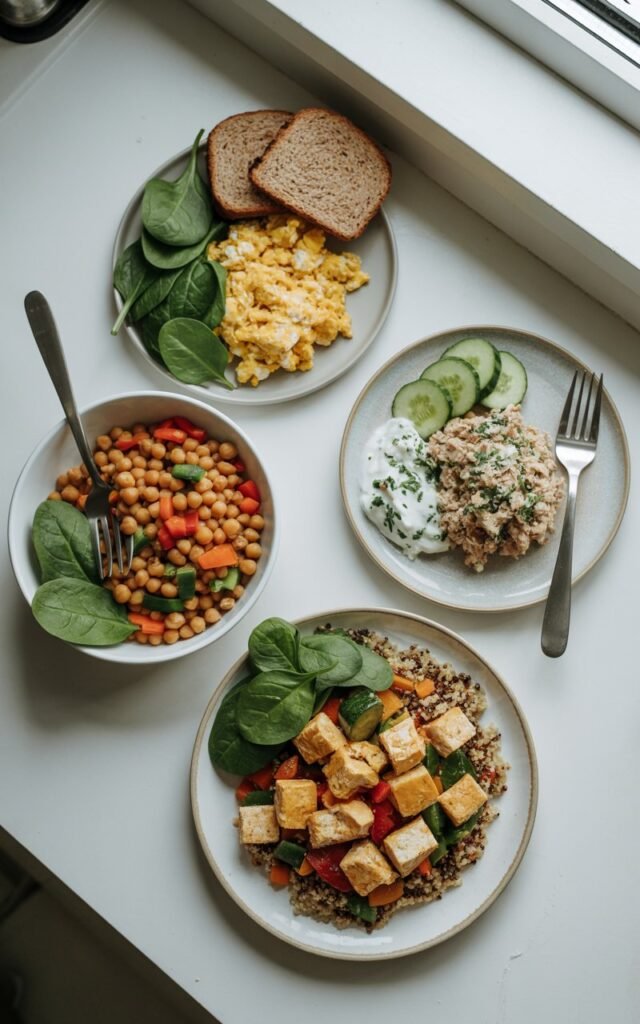
I’ve learned that eating high protein doesn’t have to be expensive.
These are simple, affordable meals I rely on when I want to keep my diet clean without overspending.
Chicken & Vegetable Sheet Pan
How I Make It:
Cut chicken breast into strips, toss with paprika, garlic, a little olive oil, and
chopped vegetables. Bake everything together for 25–30 minutes.
Why It Works:
It’s cheap, filling, and makes enough for 2–3 meals.
Egg & Spinach Scramble
How I Make It:
Scramble 2–3 eggs with spinach, onions, and a pinch of salt.
Why It Works:
Perfect for breakfast or dinner when I need something quick and protein-heavy.
Tuna and Vegetable Stir Fry
How I Make It:
Cook canned tuna with a little soy sauce, mixed veggies, and pepper.
Why It Works:
Takes less than 10 minutes and costs almost nothing.
Lentil Bowl with Eggs
How I Make It:
Boil lentils for 20 minutes, top with two boiled eggs, and season with salt and pepper.
Why It Works:
Plant protein + animal protein = long-lasting fullness.
Cottage Cheese Bowl
How I Make It:
Mix cottage cheese with cinnamon, berries, or diced apple.
Why It Works:
High-protein, low-calorie, and great at controlling cravings.
These meals are simple, realistic, and perfect for anyone trying to lose weight without complicating the process.
Final Thoughts
High-protein diets work because they make weight loss feel natural instead of forced.
When you focus on building your meals around lean proteins, everything else gets
easier — hunger becomes manageable, cravings shrink, and energy stays stable throughout the day.
The key is to keep things simple: use easy recipes, choose foods you enjoy, and stay consistent.
You don’t have to be perfect; you just need to make more high-protein choices than low-protein ones.
Over time, those small decisions turn into long-term results.
FAQ
1. How much protein should I eat per day?
Most people do well with 0.7–1 gram of protein per pound of body weight.
2. Do I have to avoid carbs on a high-protein diet?
No — you can enjoy carbs. Just make protein the base of every meal.
3. Can I lose belly fat with high-protein meals?
Yes. Protein reduces appetite, boosts metabolism, and helps burn abdominal fat.
4. Are high-protein diets safe?
Yes for most healthy adults. People with kidney conditions should talk to a doctor.
5. What’s the easiest high-protein meal for beginners?
Chicken, eggs, tuna, Greek yogurt, and salmon are the simplest and most effective to start with.
6. Can vegetarians follow this diet?
Absolutely. Lentils, beans, tofu, tempeh, and plant-based protein powders make it very doable.