
Protein is more than just a building block for muscles—it’s the key to energy, satiety, and overall wellness.
I’ve been following a structured high-protein routine since the start of January 2026, and the results have been remarkable.
Whether you’re looking to tone up, stay full longer, or simply improve how your body feels, a consistent protein-focused plan can make a huge difference.

The key isn’t just eating more protein, but strategically distributing it throughout the day, combining it with healthy carbs and fats, and keeping meals flavorful so you stick to the plan without feeling restricted.
This 28-day guide is designed exactly for that purpose. It’s simple, practical, and fun to follow, and I’ve structured it to work whether you cook at home, meal prep in advance, or grab quick bites during a busy day.
Why Protein Matters and How to Use It Effectively

Protein supports muscle repair, keeps metabolism running efficiently, and helps control appetite. But the timing, quality, and variety of sources matter just as much as the quantity.
I personally space my protein intake across three main meals and two snacks, so my energy levels remain stable and my muscles have what they need to recover after exercise.
Here’s what I focus on:
- Include a protein source in every meal.
- Combine plant and animal proteins for variety and completeness.
- Balance meals with vegetables and healthy fats to keep digestion smooth.
- Hydrate consistently, as protein metabolism needs water.
Since January 2nd, following this approach has helped me stay energized, reduce unnecessary snacking, and feel stronger in workouts without feeling heavy or bloated.
How This 28-Day Plan Works
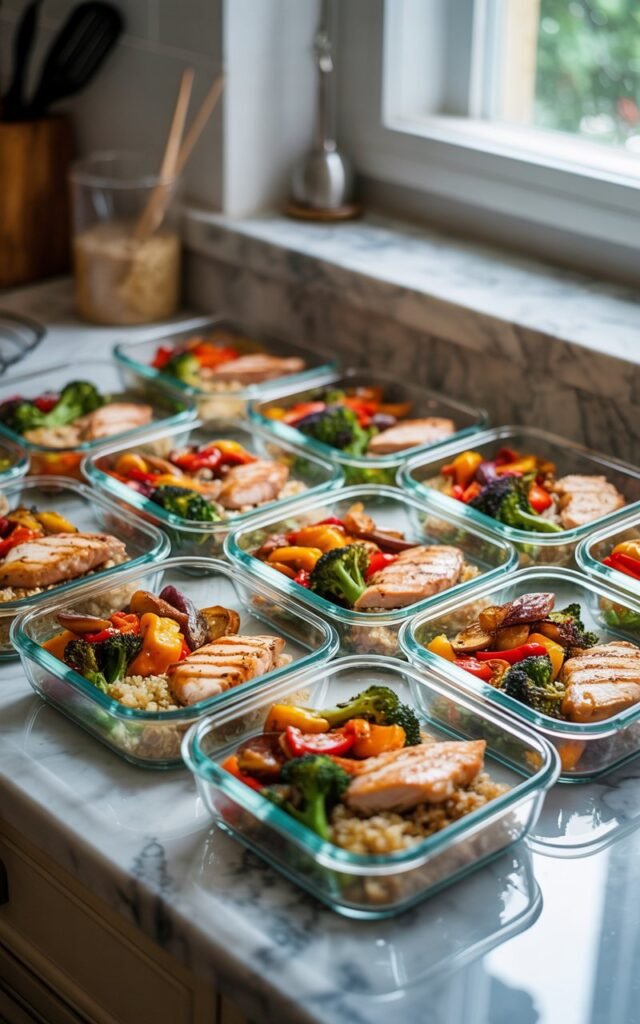
The structure is simple but flexible. Each week rotates proteins, grains, and vegetables to keep meals exciting. The plan includes:
- Breakfasts: Protein-packed and quick.
- Lunches: Balanced for sustained energy.
- Dinners: Filling but not heavy, supporting muscle repair overnight.
- Snacks: Easy to grab, keeping cravings under control.
The idea is to follow the plan closely but also allow for adjustments based on your taste preferences and schedule. Consistency matters more than perfection.
Week 1: Kickstart Your Energy
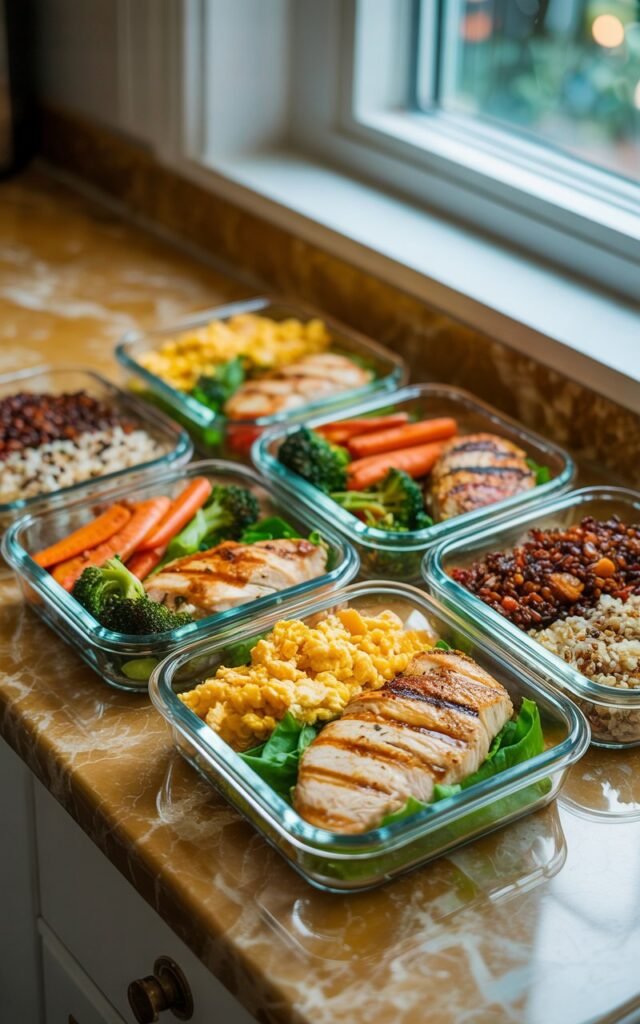
Breakfast: Greek yogurt with chia seeds, berries, and a drizzle of honey.
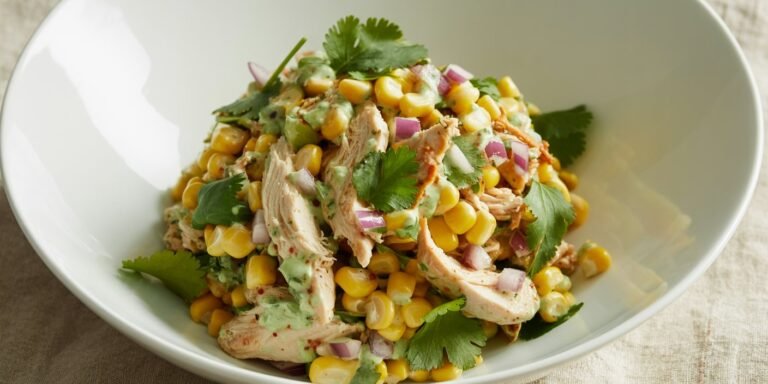
Lunch: Grilled chicken salad with avocado, cherry tomatoes, and a light vinaigrette.
Dinner: Baked salmon with roasted sweet potatoes and steamed broccoli.
Snack 1: Hard-boiled eggs with a sprinkle of paprika.
Snack 2: Almonds and a small apple.
This week is about setting a rhythm, getting your body used to regular protein intervals, and feeling energized throughout the day.
Week 2: Build Momentum
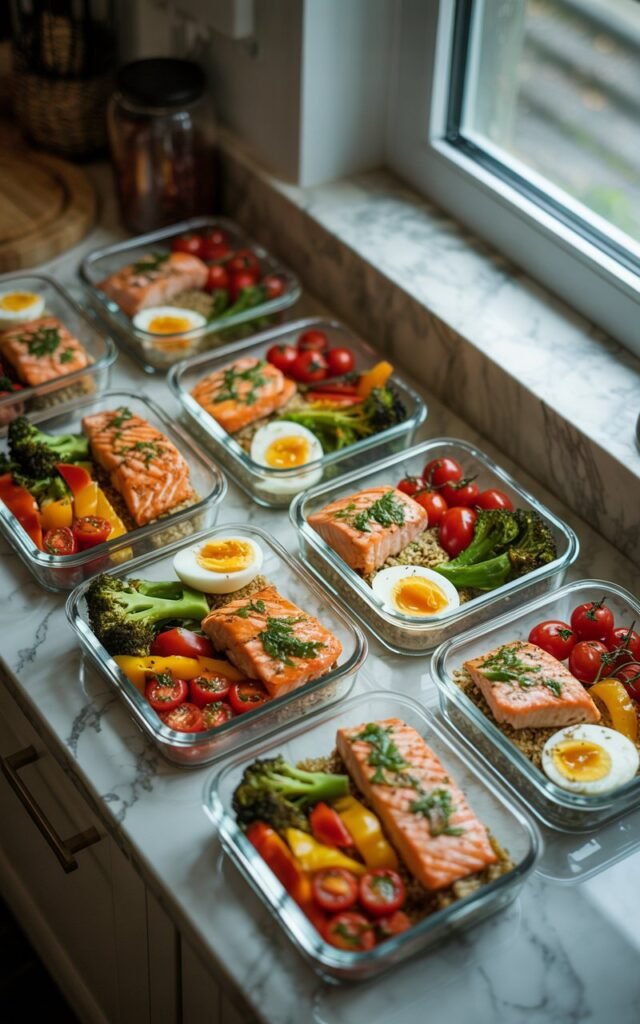
Breakfast: Protein smoothie with banana, spinach, and whey or plant-based protein powder.
Lunch: Turkey or tempeh lettuce wraps with shredded carrots and bell peppers.
Dinner: Stir-fried shrimp with quinoa and green beans.
Snack 1: Cottage cheese with pineapple chunks.
Snack 2: Roasted chickpeas or edamame.
Week 2 adds slightly more variety and fiber to support digestion and steady energy levels.
Week 3: Push Your Limits
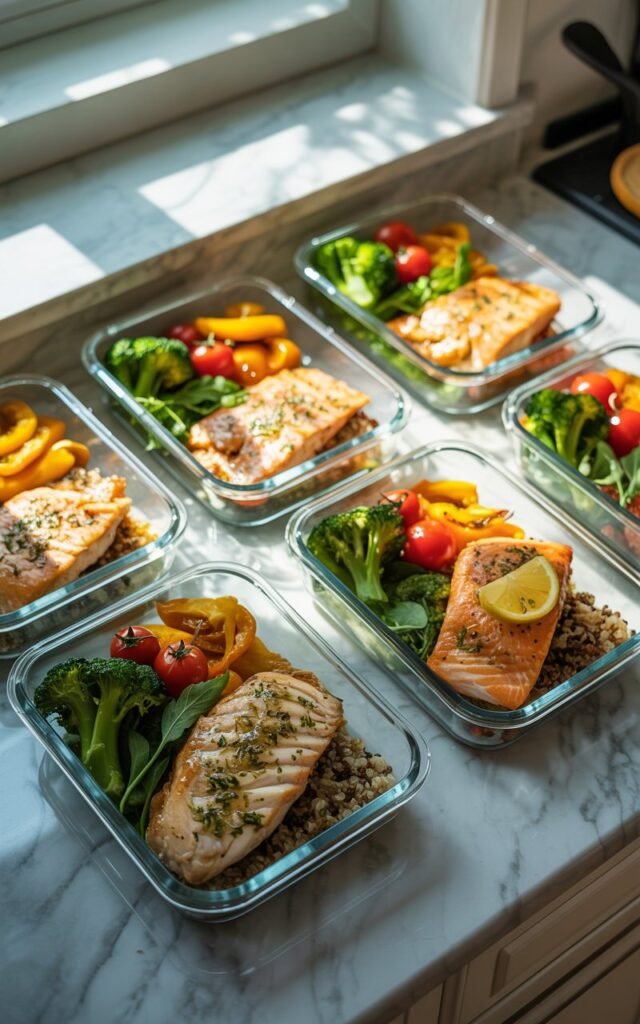
Breakfast: Egg and veggie scramble with feta cheese.
Lunch: Lentil and black bean salad with lemon-tahini dressing.
Dinner: Grilled steak or tofu with asparagus and brown rice.
Snack 1: Protein bar or homemade energy bites.
Snack 2: Greek yogurt with a handful of berries.
At this stage, the focus is on increasing protein density and maintaining consistency while enjoying vibrant, flavorful meals.
Week 4: Perfect the Routine
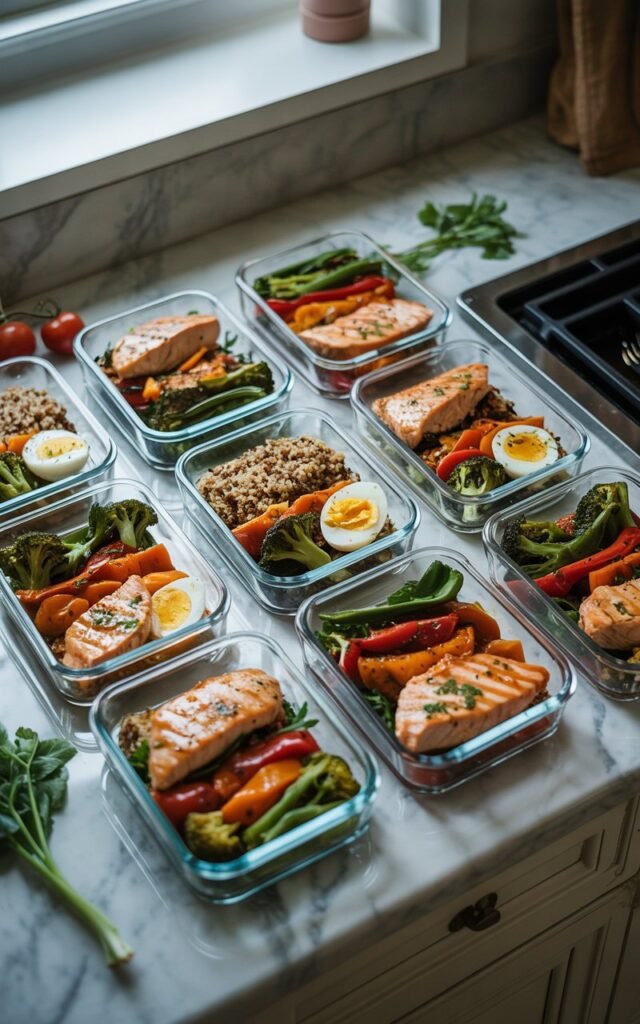
Breakfast: Overnight oats with protein powder, walnuts, and fresh berries.
Lunch: Quinoa, grilled chicken, and roasted vegetables bowl.
Dinner: Baked cod or tempeh with cauliflower mash and sautéed spinach.
Snack 1: Celery sticks with peanut or almond butter.
Snack 2: Edamame or roasted pumpkin seeds.
Week 4 reinforces habits, making it easy to continue beyond the 28 days. You’ll notice more energy, better satiety, and improved focus.
Tips to Maximize Results
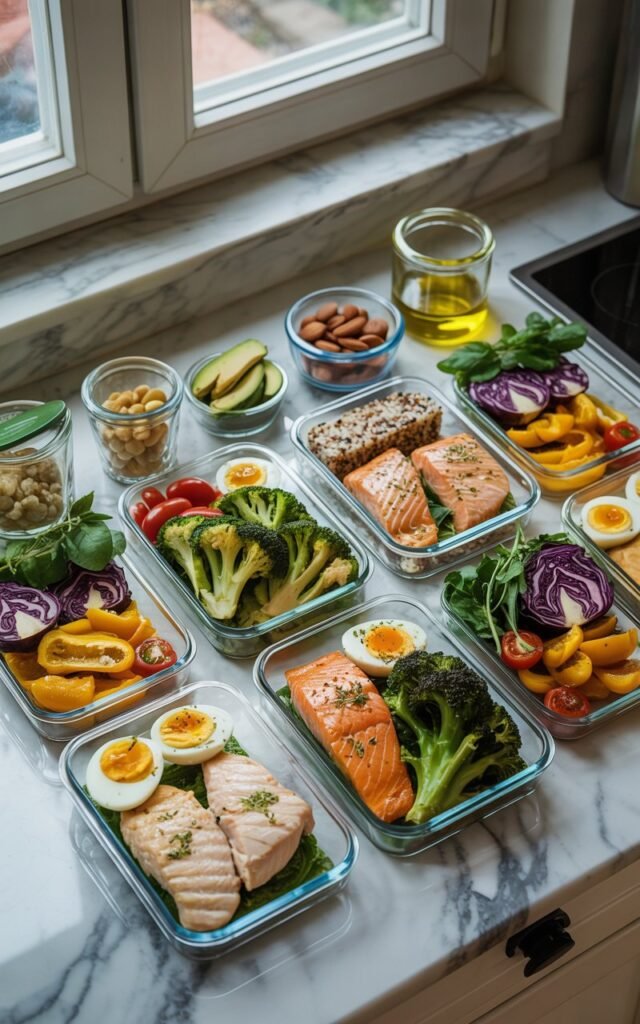
- Measure Portions: Understanding portion size keeps protein intake consistent without overeating.
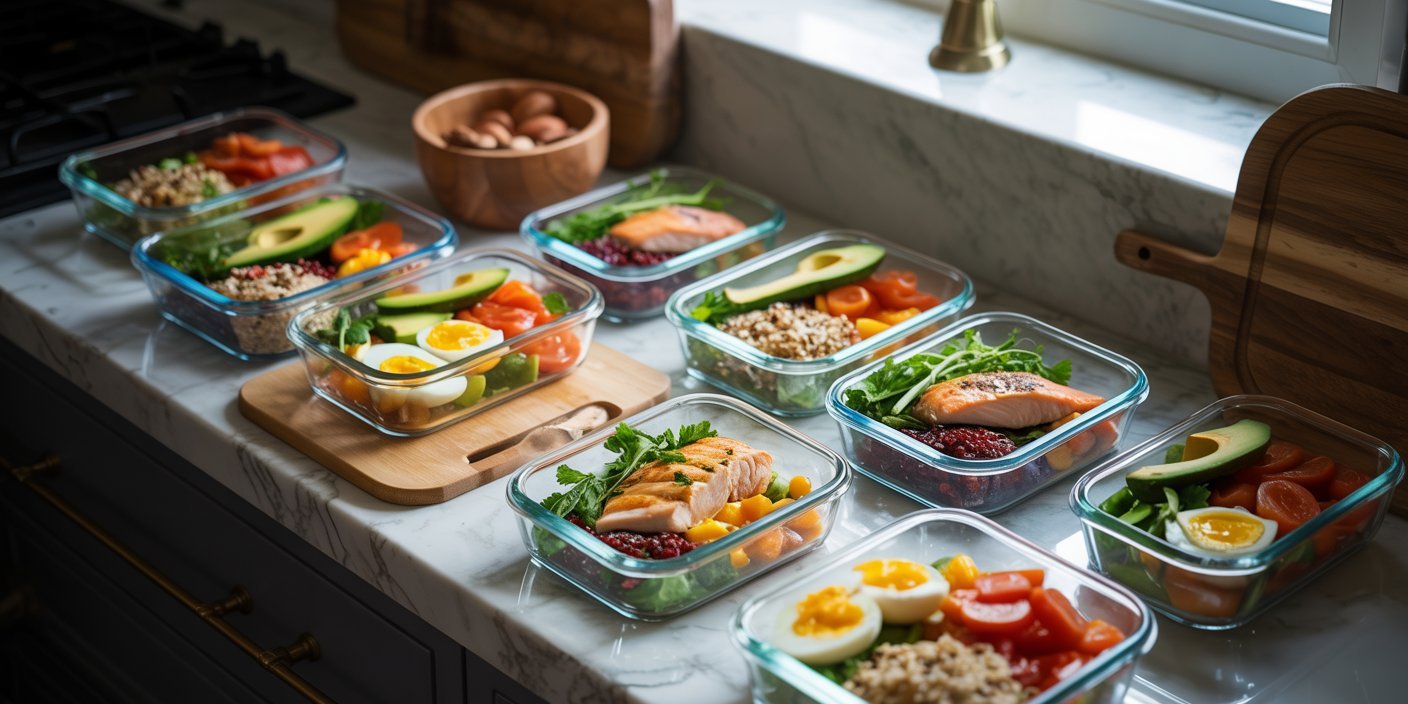
- Prep in Advance: Cooking in batches reduces stress and keeps you on track.
- Mix Protein Sources: Rotate fish, poultry, legumes, eggs, and plant-based options to keep meals exciting.
- Hydrate Throughout the Day: Adequate water improves protein absorption and supports metabolism.
- Listen to Your Body: Adjust snack timing and portions based on hunger and activity level.
How This Plan Fits Into Daily Life
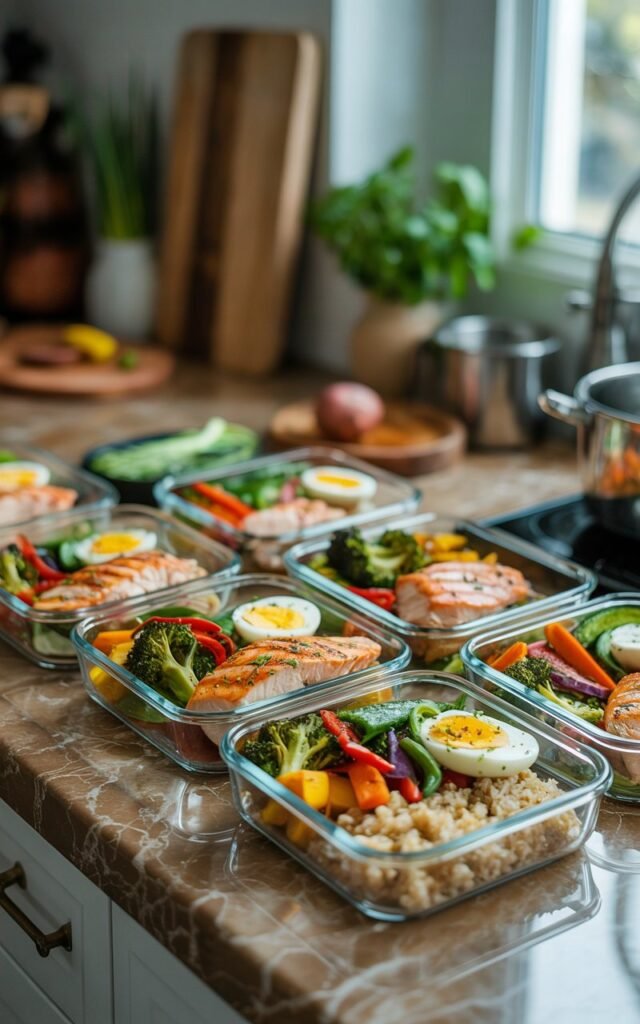
I’ve been using this routine since January, and the beauty is in its simplicity.
Even on hectic mornings, I can grab a prepared breakfast or smoothie.
Lunches are portable, and dinners require minimal preparation but feel satisfying.
Snacks are easy to carry or prepare quickly, so there’s no reason to skip meals or resort to empty calories.
The 28-day structure isn’t a restriction—it’s a framework. It allows flexibility while keeping protein intake consistent and balanced, which is exactly what helps your body adapt and thrive.
How to Continue Beyond the 28 Days
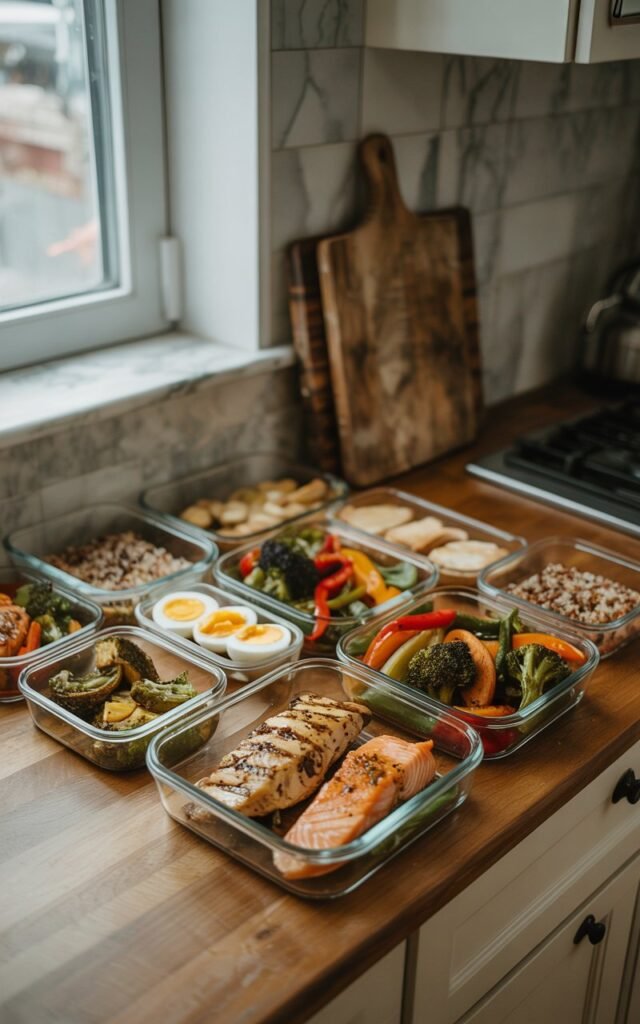
Once you finish this month, the easiest way to continue is to rotate these meals or substitute similar protein-rich foods based on preference and seasonality. For example:
- Swap salmon for trout or chicken for turkey.
- Rotate grains like quinoa, farro, or bulgur.
- Use fresh seasonal vegetables to keep meals exciting.
Consistency is more important than rigidly following recipes. This is about building habits you can stick with long-term.
Final Thoughts
A high-protein approach, when planned thoughtfully, supports energy, satiety, and overall wellness. This 28-day plan is designed to make that process simple, enjoyable, and sustainable.
By starting on January 2nd, 2026, and following this routine, you’ll feel stronger, more focused, and ready to embrace a healthier lifestyle. The goal is not perfection—it’s consistency, balance, and meals that leave you satisfied and nourished.